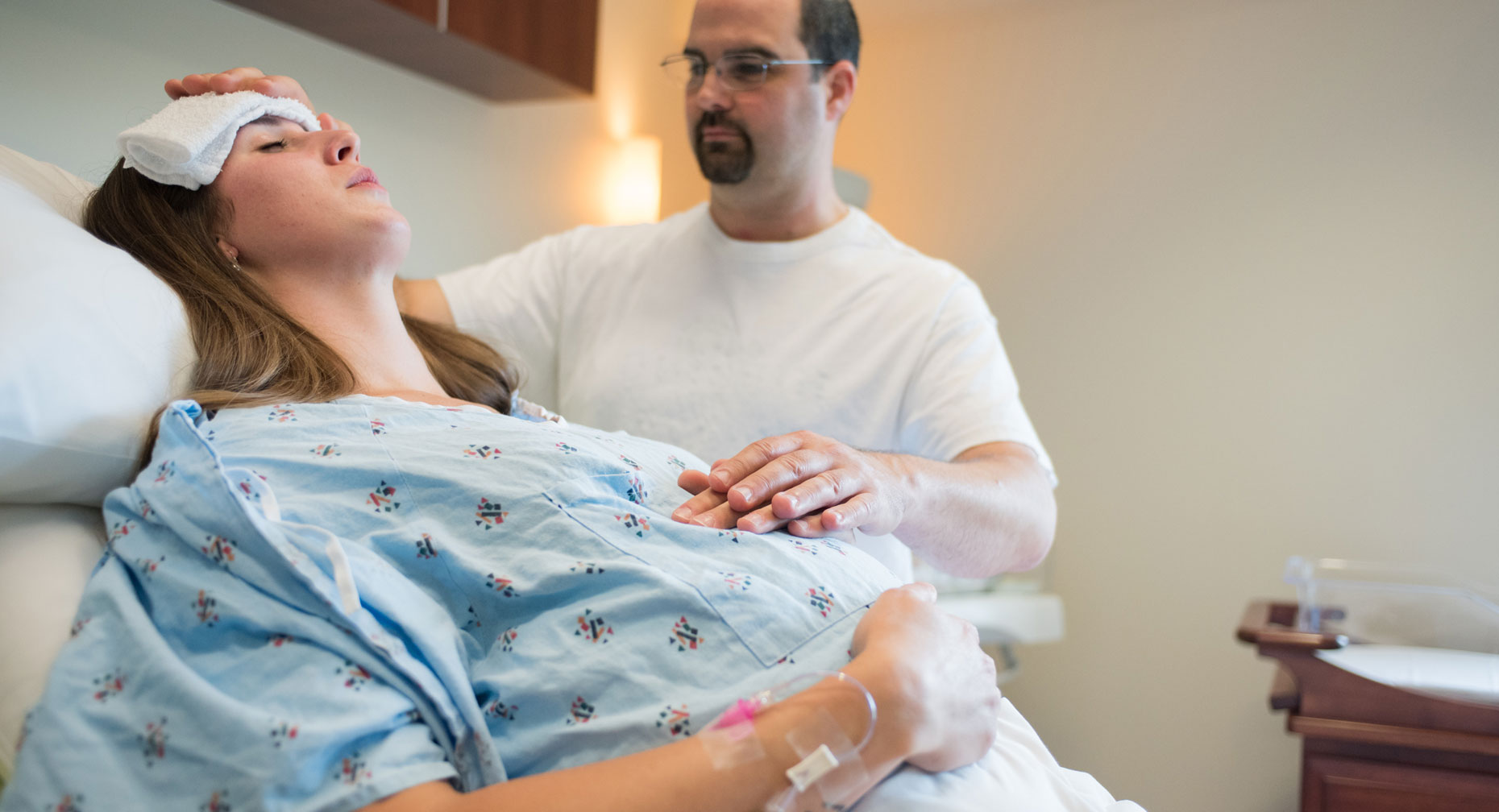
For decades, the cultural image of prenatal care was synonymous with a standard checklist: show up for a quick weight check, listen to the heartbeat for ten seconds, verify the blood pressure is stable, and head home. While these clinical markers remain essential for safety, the landscape of what parents expect and deserve from their prenatal journey has undergone a profound transformation.
Modern prenatal care is no longer just about monitoring fetal health; it is about cultivating maternal well-being, fostering autonomy, and acknowledging that pregnancy is a transformative physiological, emotional, and social event.
The Shift Toward Personalized Care
At its core, modern prenatal care is moving away from the “one-size-fits-all” model toward a more personalized, holistic approach. Historically, medical systems focused heavily on detecting pathology. Today, leading practices are emphasizing wellness-centered care. This means that while we certainly watch for risks, we spend equal time addressing the mental health, nutritional habits, and personal goals of the expectant parent.
In this model, the patient is an active collaborator rather than a passive recipient of medical advice. This collaborative relationship is fundamental, especially when looking at resources like a comprehensive pregnancy guide that helps parents understand what to expect at different milestones, empowering them to ask better questions during their appointments.
Beyond the Medical Checklist: Mental and Emotional Health
One of the most significant advancements in the modern era is the formal integration of mental health support into the prenatal timeline. We now recognize that the “fourth trimester”—the postpartum period—often gets all the attention for mental health, but the groundwork for emotional resilience is laid during the nine months of gestation.
Modern prenatal visits now frequently include screenings for anxiety and depression, not just as a formality, but as a gateway to ongoing support. Whether through counseling, peer support groups, or simply having a provider who holds space for the emotional weight of pregnancy, the focus has shifted toward treating the whole person. This is why natural mind-body support has become such a vital component of a well-rounded prenatal plan, helping families navigate the inevitable stressors of preparing for a new life.
The Role of Education and Informed Choice
Modern prenatal care is deeply rooted in health literacy. When parents understand the why behind a test, a procedure, or a recommendation, their anxiety levels drop and their confidence rises.
This shift is particularly evident in how we approach birth preparation. Rather than standard, clinical advice, families are looking for nuanced, evidence-based information that bridges the gap between physiological birth and medical safety. For those planning their journey, resources regarding labor and birth are essential. Modern prenatal care ensures that these conversations happen early and often, allowing parents to craft a birth philosophy that aligns with their personal values, rather than just filling out a pre-printed form.
According to the American College of Obstetricians and Gynecologists (ACOG), patient-centered care models have been shown to increase satisfaction and improve outcomes by ensuring that care is respectful of and responsive to individual patient preferences, needs, and values.
Navigating the “Modern Motherhood” Paradox
Let’s be honest: pregnancy today looks different because the world looks different. We are balancing careers, digital information overload, and often, a lack of the “village” that previous generations relied on. Modern prenatal care acknowledges this reality.
Providers are increasingly sensitive to the modern motherhood experience. This includes discussing how to manage work-life balance, how to set boundaries with family, and how to prepare for the logistical realities of early parenting. It isn’t just about the physical health of the fetus; it is about ensuring that the person becoming a parent feels capable and supported in their new role.
Physical Autonomy and Body Literacy
A cornerstone of modern prenatal care is the reclamation of bodily autonomy. In the past, many pregnant people felt their bodies were “managed” by the medical establishment. Today, modern care prioritizes body literacy—teaching parents how to tune into their own physiology.
This might look like:
- Encouraging movement and exercise tailored to individual fitness levels.
- Discussing nutrition in the context of intuitive eating rather than rigid weight gain charts.
- Prioritizing pelvic floor health as a proactive measure rather than an afterthought.
By fostering this connection between the parent and their body, the transition into postpartum recovery becomes much smoother. When you understand your body’s signals during pregnancy, you are better equipped to listen to what it needs while you heal after birth.
The Importance of Accessibility and Connection
If you are currently navigating this journey, it is important to find a provider who resonates with your vision of care. Modern prenatal care is inherently relational. If you feel like just another number in a queue, it is difficult to build the trust necessary for a vulnerable transition like birth.
For those in our community, we prioritize an environment where questions are welcomed and where the FAQ section is just the beginning of our open dialogue. We believe that modern care should feel like a partnership—one that starts with your first appointment and continues through the transition to baby and early parenting.
Conclusion
Modern prenatal care is, at its best, a tapestry of medical vigilance, emotional support, and empowerment. It is a departure from the “conveyor belt” model of care toward a dynamic, human-centered experience. Whether it is through integrating mindfulness, providing deeper educational resources, or acknowledging the unique challenges of modern parenting, the focus is squarely on honoring the family at the center of the experience.
If you are looking for a care model that values your voice as much as your vital signs, we invite you to contact us to discuss what a collaborative prenatal journey looks like for you. You deserve a care experience that is as unique as the life you are bringing into the world.
For more insights into creating a supportive birth environment, check out our blog, where we regularly share tips on holistic pregnancy and parenting.