
The first six weeks after birth are often called the “fourth trimester,” and for good reason. Your body has undergone a profound physiological event, and healing takes time. Whether you experienced a vaginal birth or a cesarean, recovery is not linear. Some days you may feel stronger; others, unexpectedly tender or exhausted.
Common physical experiences include uterine cramping as the uterus contracts back to its pre-pregnancy size, vaginal bleeding that gradually lightens, perineal soreness, abdominal weakness, and overall fatigue. Cesarean recovery adds incision healing and mobility limitations. None of this means something is wrong, it means your body is repairing itself.
Midwife wisdom emphasizes slowness. Rest is not indulgent; it is restorative. Gentle movement, like short walks or stretching, supports circulation, but pushing too hard can delay healing. Pain, fever, worsening bleeding, or emotional distress deserve attention, advocating for care is part of recovery.
Healing is not about “bouncing back.” It’s about stabilizing, regaining strength gradually, and honoring the work your body has done. Recovery looks different for everyone, and comparison only complicates the process.


Postpartum recovery is built on three pillars: rest, nourishment, and hydration. Sleep will be fragmented, but rest can take many forms, lying down during the day, limiting visitors, or simply reducing mental load.
Food is fuel for healing. Warm, nourishing meals support tissue repair, hormone regulation, and milk production if breastfeeding. Simple, easy-to-eat foods are often best in the early weeks. Hydration is equally essential, especially when feeding a baby around the clock.
In apartments or multilevel homes, planning matters. Keeping essentials, water, snacks, diapers, medications, within reach reduces strain. Creating one or two “recovery stations” can dramatically ease daily life.
Partners and support people play a crucial role here. Their job is not to entertain visitors or keep things “normal,” but to protect the recovery space. Practical help, meals, laundry, holding the baby so you can rest, is often more valuable than advice.
Postpartum hormones shift rapidly after birth, which can create emotional waves even in those who felt steady during pregnancy. Tearfulness, irritability, anxiety, or feeling unexpectedly low are common in the early days. These experiences do not reflect your ability as a parent.
The key distinction is duration and intensity. Emotional ups and downs that gradually ease are typical. Persistent despair, panic, numbness, or intrusive thoughts are signals to seek support. Advocating for yourself emotionally is just as important as physical care.
Recovery expectations need recalibration. You are not meant to feel “back to normal” in weeks. Your identity, priorities, and rhythms are shifting. Midwife-informed care normalizes this transition rather than rushing it.
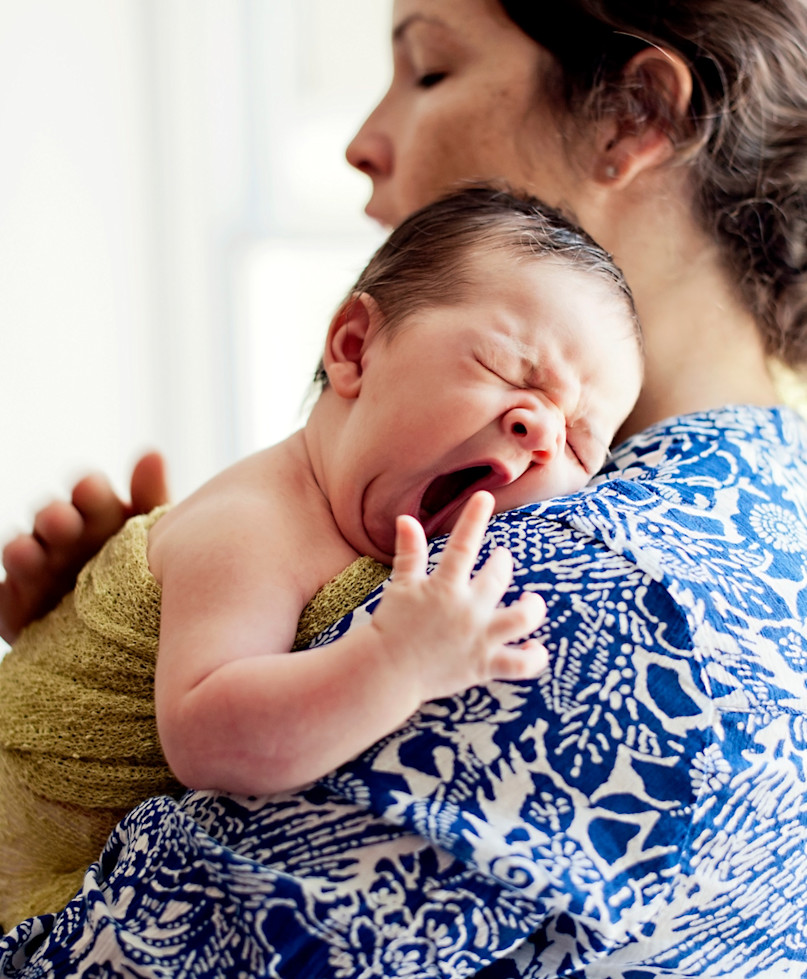
Sleep deprivation is one of the greatest postpartum challenges. Nights are often unpredictable, and soreness can make rest harder. Strategic positioning, gentle pain management, and shared caregiving can help.
Partners can support by taking over non-feeding tasks, managing logistics, and noticing when you need rest before you ask. Emotional presence matters as much as practical help.
Postpartum life in apartments or multilevel homes may require creative adjustments, minimizing stair use early on, reorganizing spaces, and accepting temporary disorder. Recovery is not about perfection; it’s about sustainability.
With support, patience, and realistic expectations, the postpartum period becomes not just something to survive, but a time of deep integration, healing, and becoming.